Color, texture, and a blank canvas hold so much potential. Art has a way of pulling people in and giving them a space to express what words cannot. Whether you are a complete beginner or someone with a little creative experience, picking up a brush and learning the right way makes all the difference.
Great art is built on solid technique, and enrolling in painting classes gives you the foundation every artist truly needs.
Brush control and stroke techniques:
Brush control is one of the first things covered in any professional setting. Thin lines, bold strokes, soft blending, and sharp edges all come from how you hold and move your brush. Practicing different stroke styles helps you gain confidence and gives your work a polished, intentional look that stands out.
Color mixing and blending:
Mixing colors is both a science and an art. Instructors teach you how to create new shades, deepen tones, and blend smoothly so your transitions look natural. A strong grip on color mixing helps you paint exactly what you see in your mind without frustration or guesswork.
Perspective and depth:
Flat paintings lack life. Learning perspective gives your work a sense of space and dimension. You will practice techniques that make backgrounds recede and foregrounds pop. This skill is key for landscapes, still life, and any composition where depth adds drama and realism to the final piece.
Texture creation:
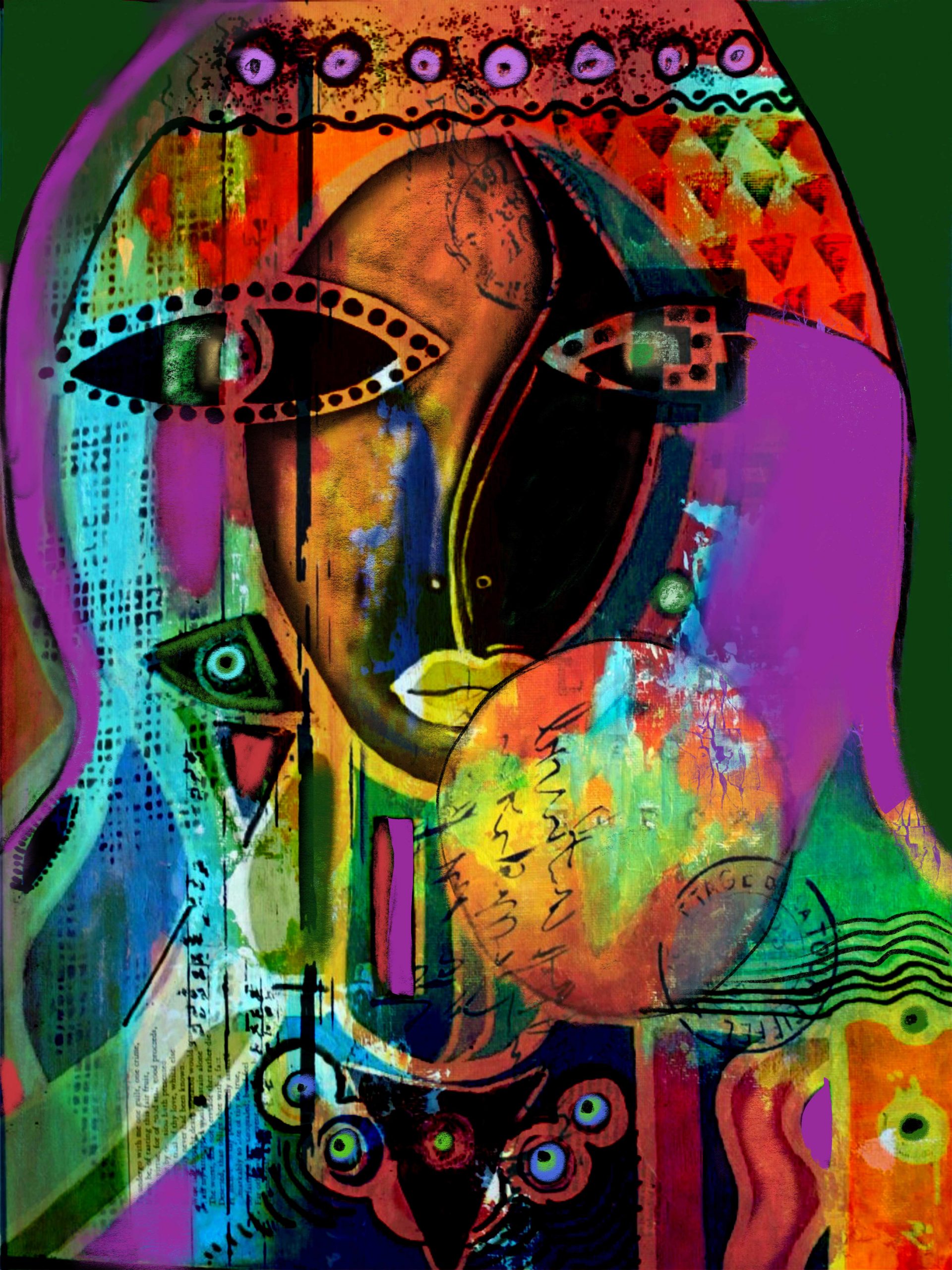
Texture brings a painting to life. Instructors guide you through layering paint, using different brush types, and applying tools to create rough, smooth, or raised surfaces. Adding texture makes artwork more interesting to look at and gives it a physical quality that draws people closer.
Light and shadow:
Great paintings capture light in a way that feels real. You will learn how to identify your light source, add highlights, and build shadows that give objects volume and shape. This technique is what separates flat, dull work from paintings that truly glow with energy and depth.
Composition and visual balance:
Where you place each element matters. Composition rules like the rule of thirds help you arrange your subject, background, and focal points in a way that feels natural and visually satisfying. A well-composed painting holds attention and leads the eye exactly where the artist wants it to go.